Category: power lift chairs
Posted by 2025-12-26 13:12
hoyer lift from bed to chair
Hoyer Lift from Bed to Chair: Core Care Technology for Safe and Efficient Daily Transfers
In home-based elderly care, rehabilitation care, and long-term care scenarios, transferring from bed to chair (or wheelchair) is a high-frequency daily transfer task that people with limited mobility must go through. For individuals who cannot move independently due to stroke, spinal cord injury, age-related frailty, post-surgery recovery, or other reasons, hoyer lift from bed to chair relying on manual lifting for this process is not only inefficient but also highly likely to cause low back strain in caregivers, as well as risks such as falls and skin tears for users.
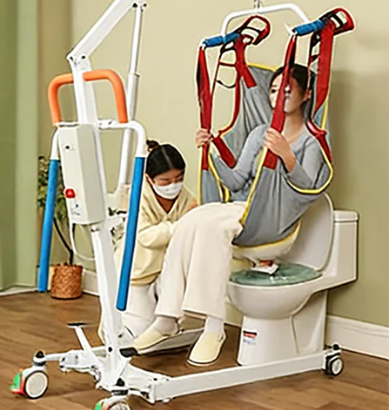
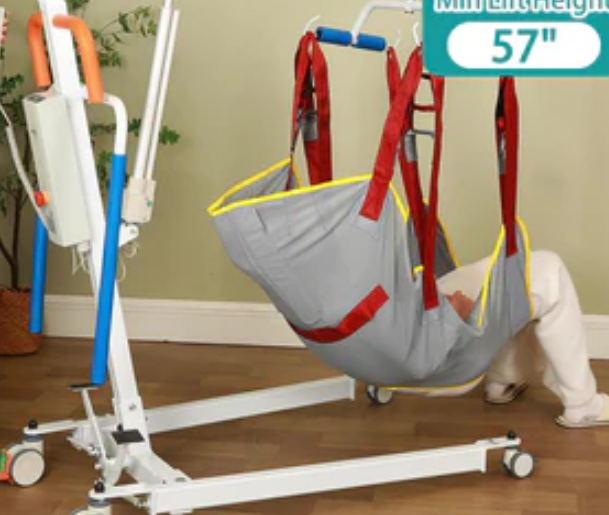
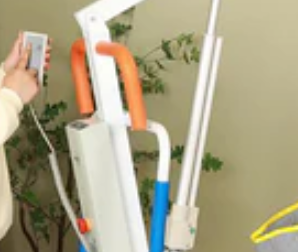
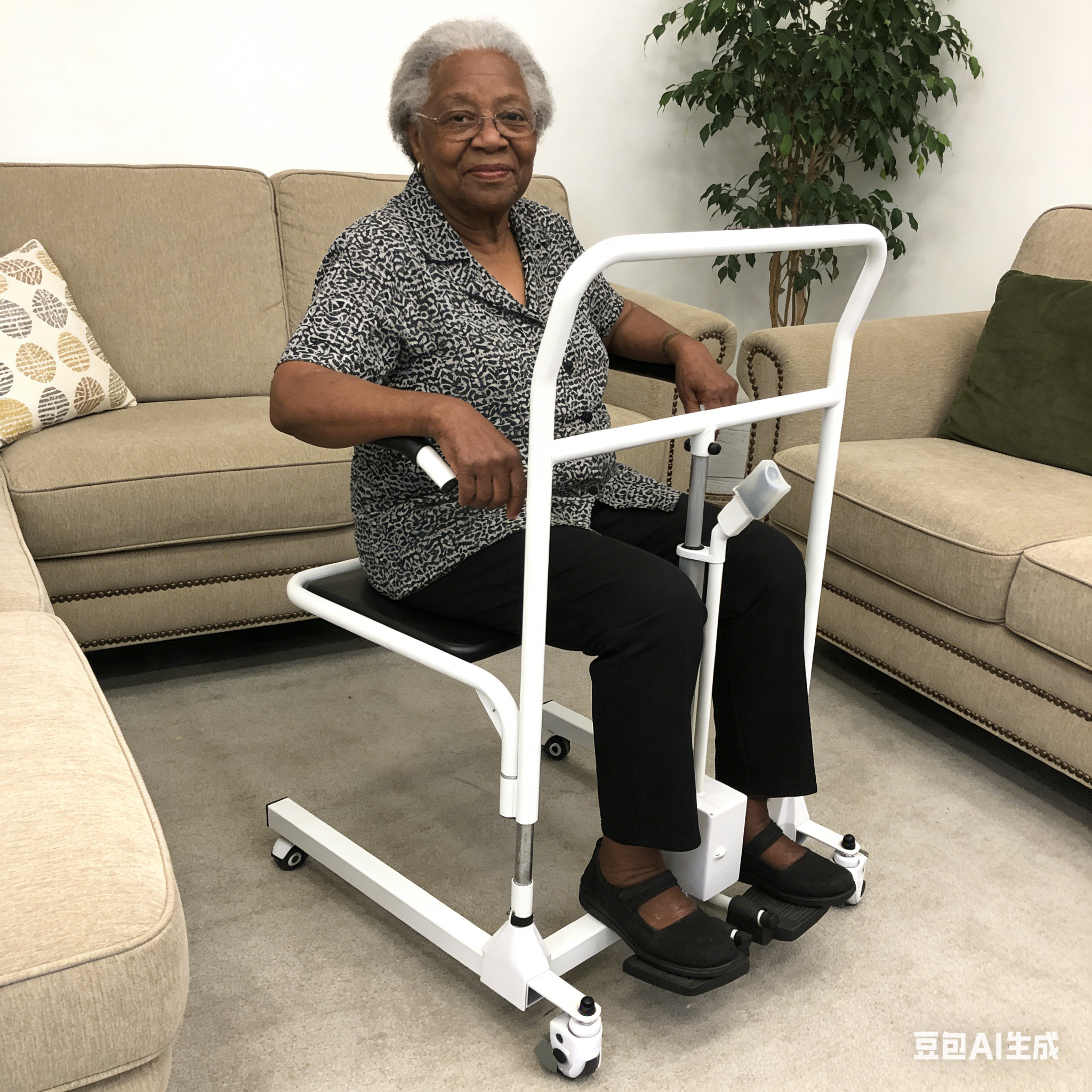
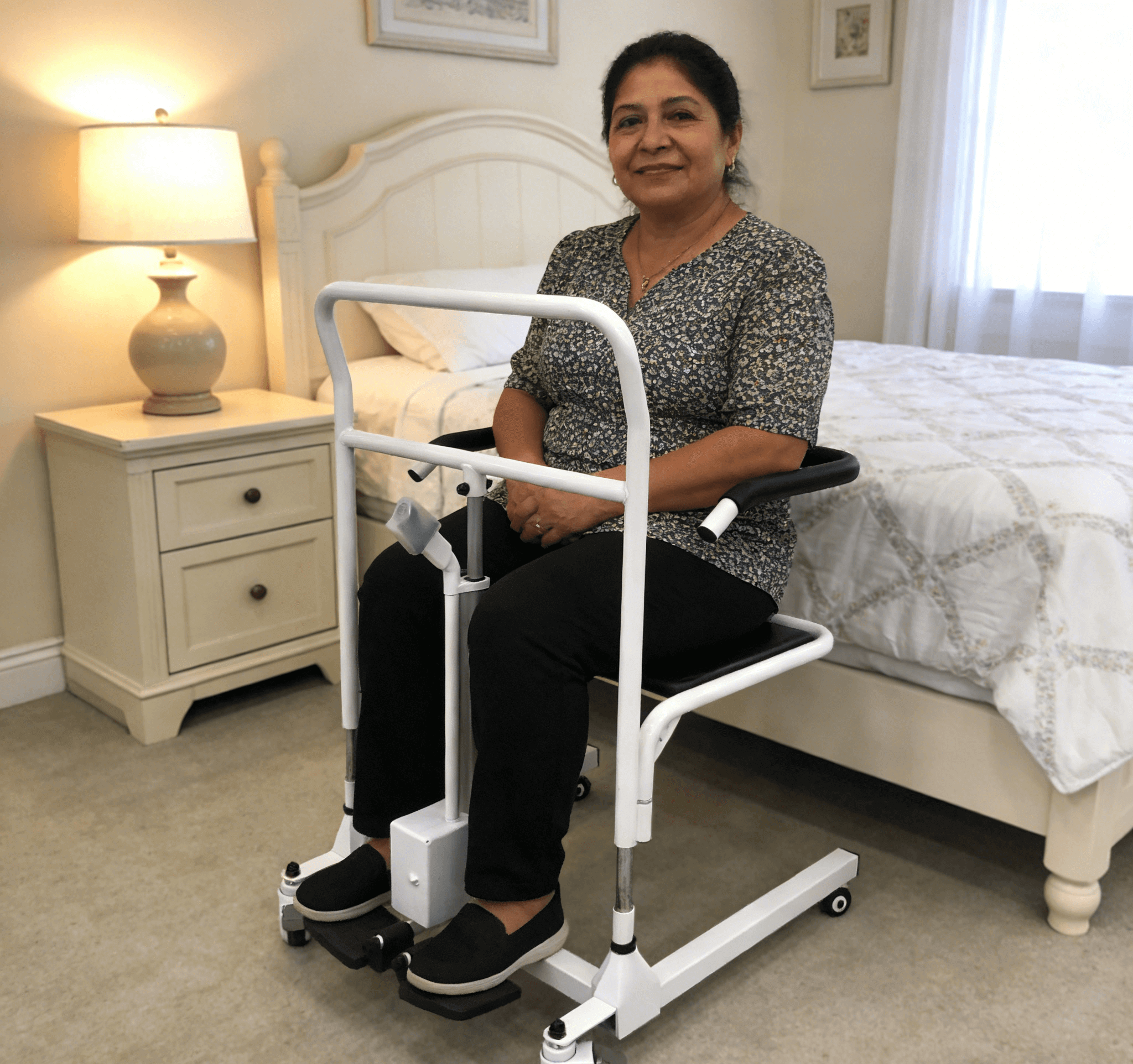
The Hoyer Lift is a mechanical transfer device specifically designed to solve this core problem. Through sling support and stable lifting, it makes "bed-to-chair" transfers safe, labor-saving, and dignified. This article will systematically introduce the application methods, equipment selection, operation key points, and common misunderstandings of Hoyer Lifts in bed-to-chair transfers, helping caregivers master this crucial skill.
I. Why Is a Hoyer Lift Needed for Bed-to-Chair Transfers?
1. High Frequency and High Risk
Individuals with disabilities need 3–6 bed-to-chair transfers per day.
During manual lifting, the pressure on the caregiver's lower back can reach 2–3 times the user's body weight.
2. Ergonomic Challenges
The height of the bed surface and the chair is inconsistent.
Transfer paths are often restricted by furniture and thresholds.
Users may be unable to coordinate their strength or maintain balance.
3. Needs for Dignity and Comfort
Avoid prolonged exposure of the body.
Reduce discomfort caused by dragging.
Enhance the user's sense of control over daily life.